Crushed Concrete in Mississippi
Crushed Concrete supports Mississippi driveway, hunting-camp, and pad work where clay ground can stay wet and lose its shape.
- Size: 3/4 inch
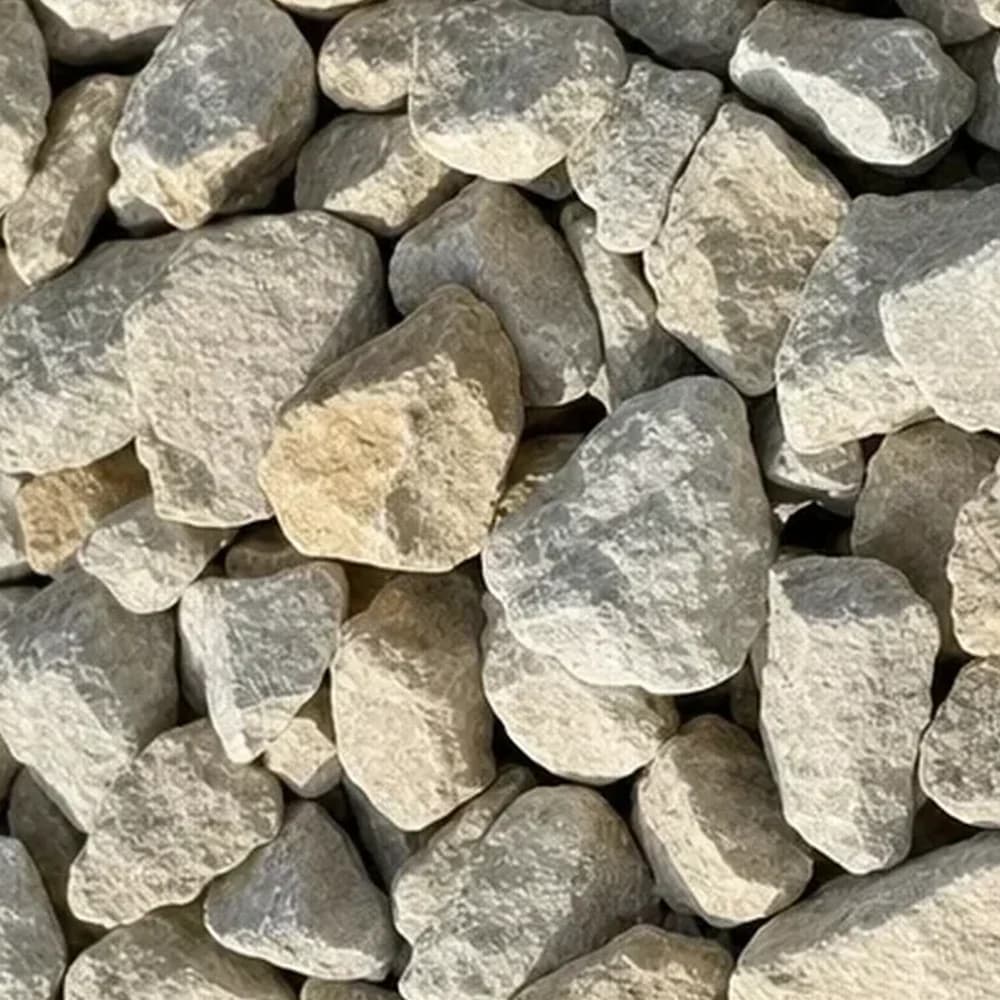
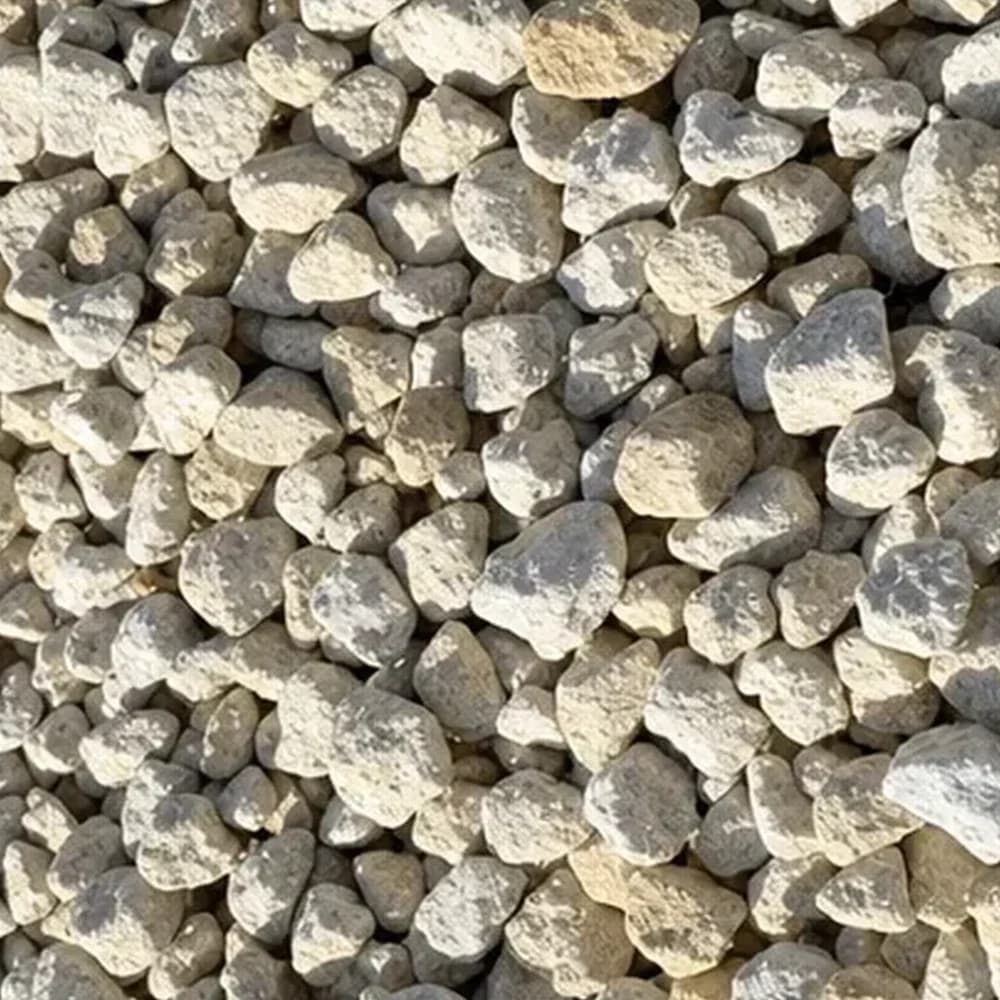
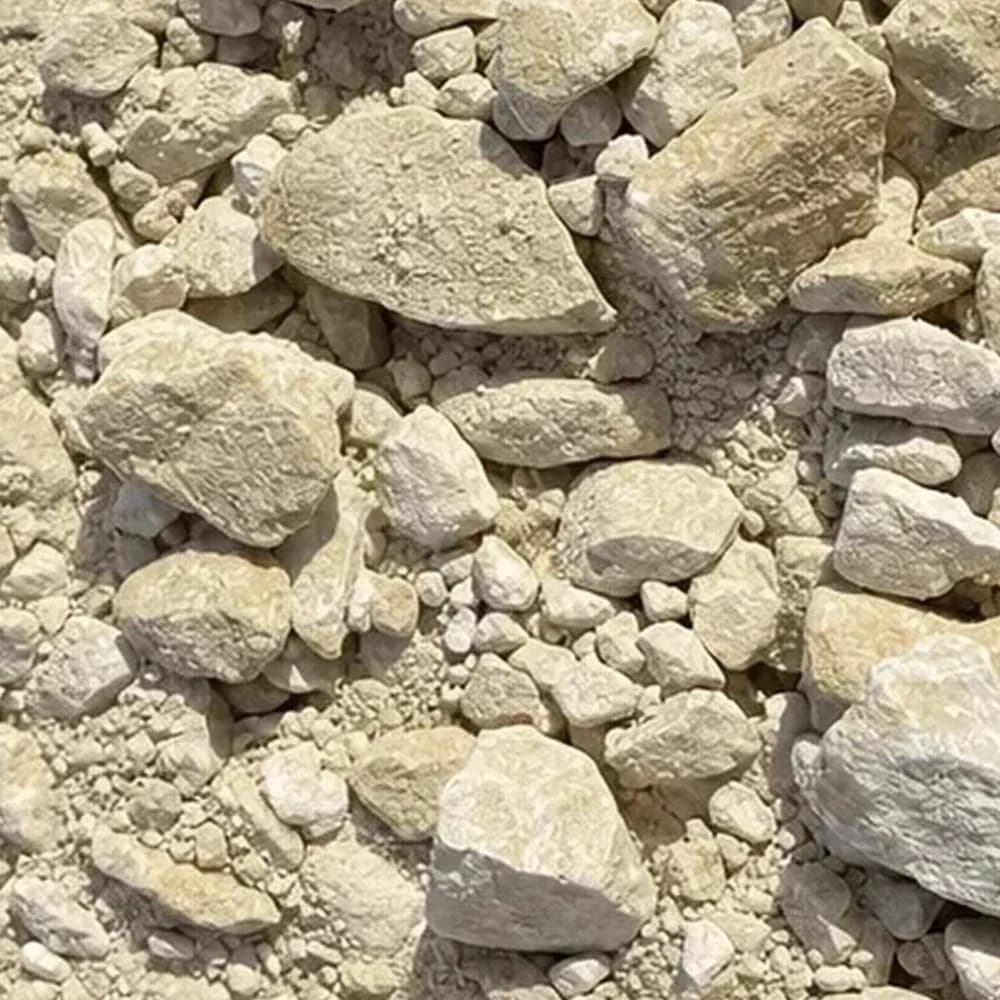
- Grading: Angular pieces blended with fines
- Type: Recycled crushed concrete
From $351 for 1 ton, delivery included (larger loads cost significantly less per ton)
Free delivery included
Free delivery anywhere in Mississippi
Pick a delivery date
Weekday delivery, earliest Oct 29
Get a Free Quote
Fill out the form and our sales team will get back to you within the hour.
Everything You Need to Know About Crushed Concrete
Size and Grading
- Size
- 3/4 inch
- Grading
- Angular pieces blended with fines
- Type
- Recycled crushed concrete
Yazoo clay and Delta buckshot can hold water through wet periods, leaving a weak spot beneath a driveway or camp road. Crushed Concrete provides a dense underlying course for these conditions when the project needs to be built up over soft ground. The recycled concrete is broken into angular pieces with fines that help the material lock together after compaction.
Keep the finished grade draining away from the pad or travel lane so water does not remain on the base. Work Crushed Concrete into place in manageable courses and compact each one before adding the next material above it. The result is intended to carry traffic below the visible surface, not to act as clean drainage rock for storm-water work along the Coast.
Quickly Calculate How Much You Need
Material: Crushed Concrete
How to Measure
Measure the length and width of your project area in feet
Decide on depth in inches (2" for landscaping, 4" for driveways)
Enter the values above and we'll calculate the tonnage you need
Need help figuring out the right amount? We can help!
Call or text us at (601) 706-3281 and we'll help you calculate the right quantity for your project.
Not sure how much you need? The Road Base Calculator has depth guides, coverage charts and worked examples for this material.
Common Uses
Driveways and Parking Pads
For a new drive or parking area, crushed concrete makes a solid base layer. Place and compact it in separate lifts to support traffic, limit ruts and potholes, and provide a surface that can be driven on directly or covered with driveway gravel for a tidier appearance.
Road Base & Access Roads
For private roadways, farm tracks, equipment areas, and jobsite entry points, use crushed concrete beneath the travel surface. Its compacted layer carries trucks and machinery and provides a passable surface when rain hits.
Patio, Walkway & Pad Base
For pavers, paths, shed floors, and hot tub pads, put crushed concrete down and compact it before the finish surface. This layer carries the load across the ground so the surface can stay even. Compared with native clay, its larger aggregate leaves more room for water to pass, which helps avoid trapped water below the work. Set pavers over a bedding course of sand or screenings.
Fill & Backfill
Use crushed concrete to bring up low ground, raise the grade, or fill behind retaining walls and around footings. Once compacted, the angular material locks together into firm structural fill. It is less likely than soil fill to erode away or become muddy.
Why Choose Crushed Concrete
Lower Cost Than Quarried Base
Since it is recycled, crushed concrete will usually cost less by the ton than crushed stone base. That difference can be noticeable when covering a large driveway or access road.
Dense, Interlocking Base
Angular fragments and fines lock together when compacted with a roller or a plate compactor. As the material settles, old cement paste can help it bind into a dense layer that resists movement, rutting, and washouts.
Recycled Concrete Use
Crushed concrete puts demolished material back into use rather than leaving it in a landfill. It also cuts down on the amount of newly quarried stone needed while providing support beneath driveways and roads.
Base and Fill Uses
This material can be used for driveway and parking-pad foundations, road access, patio and shed sub-bases, and general fill. One delivery may cover much of the ground preparation for a project.